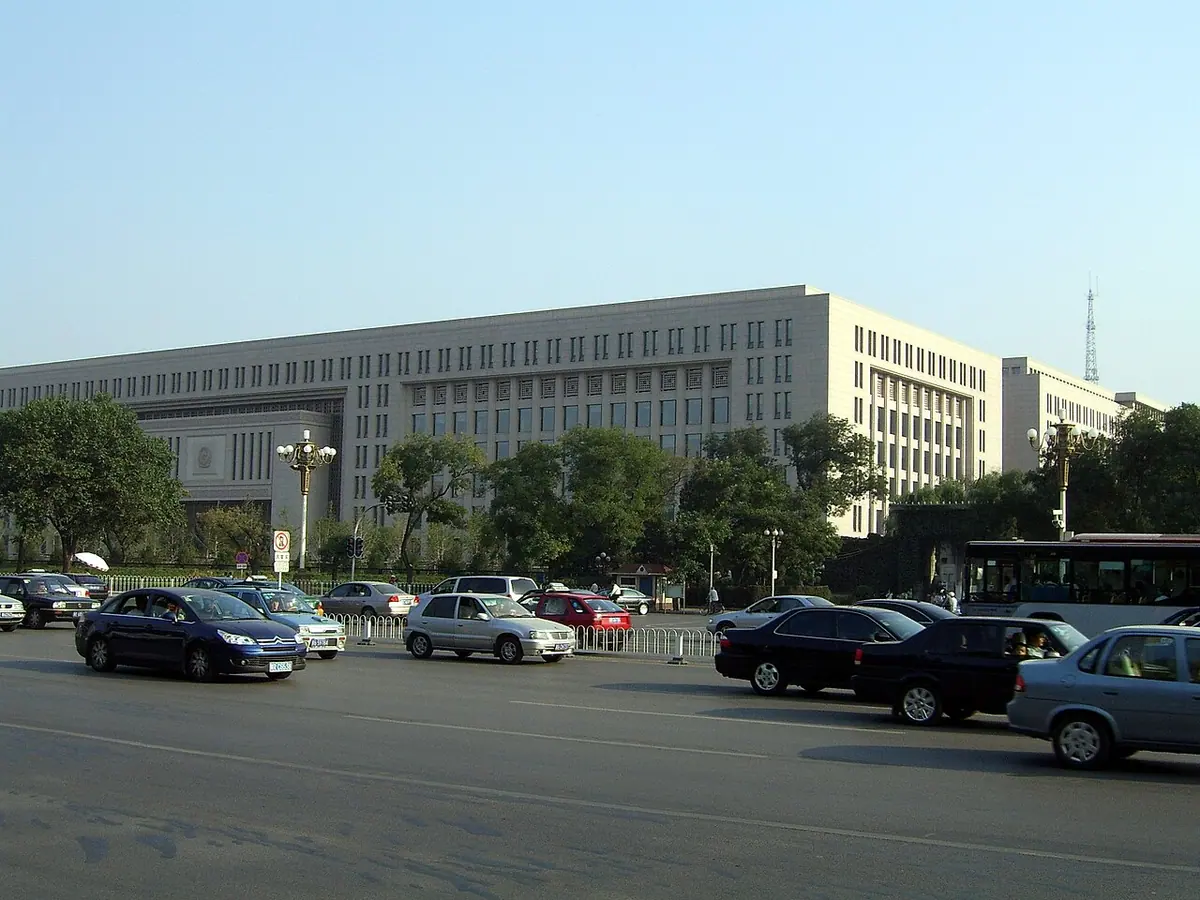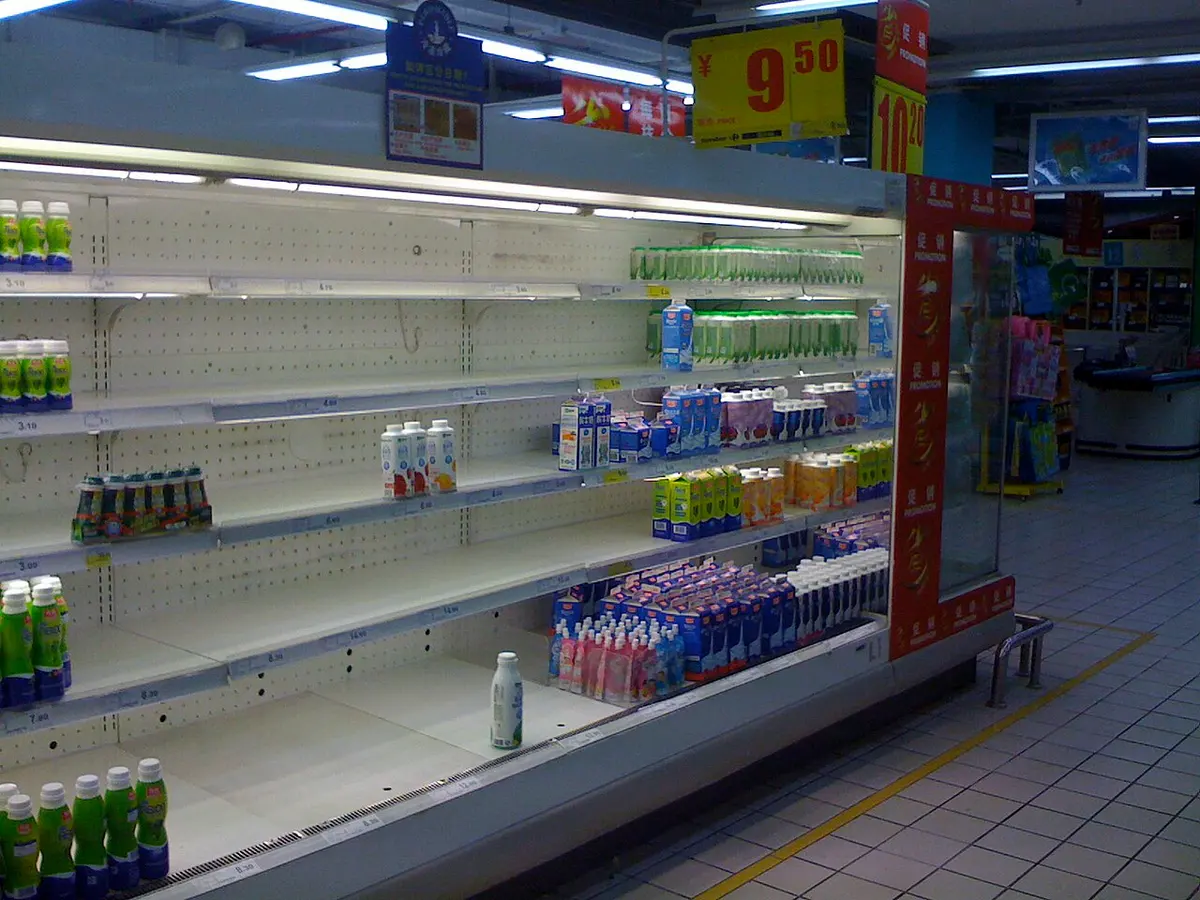

On May 29, 2007, the former head of China's State Food and Drug Administration (SFDA), Zheng Xiaoyu, was found guilty by a lower court of accepting bribes and dereliction of duty. The court handed down a death sentence along with the confiscation of personal assets. Zheng will appeal the ruling.
Zheng, 62, was determined to have accepted bribes totaling 6.49 million yuan, or US$811,200. He was head of the SFDA from 1998 to 2005. In Chinese law, capital punishment can be imposed on individuals found guilty of accepting bribes greater than 100,000 yuan, or $12,500, if "the circumstances are especially serious".
It was revealed that, as head of the SFDA, Zheng had asked for and accepted bribes to guarantee licences to unqualified pharmaceutical companies. The companies were subsequently involved in the manufacture and distribution of counterfeit or inferior drugs. Zheng's sentence "was based overwhelmingly on the devastating consequences of [his] crimes in his position of power," said the state-run China Daily newspaper.
While Zheng was head of the SFDA, several health scandals in China unfolded for which the SFDA had responsibility. Dozens of deaths in China have been attributed to poor quality drugs and unsafe food products. In Anhui province, a health crisis arose from baby formula found to contain no nutrition. At least 13 babies died in the incident, which occurred in 2004. In another case, ten deaths were attributed to poor quality antibiotics.
More recently, wheat and rice gluten products from China, used in the manufacture of pet food, were found to contain melamine, which may have caused the deaths of many pets in the United States and Canada.
Zheng's harsh sentence may be the result of China's embarrassment by the recent scandals and its concern over international credibility. "I don't think the government has in mind massive changes, but it clearly wants to improve official performance through a series of smaller reforms," Mao Shoulong, public policy expert at the Renmin University of China, told Reuters.
According to an opinion piece in the China Daily, Zheng's forthcoming execution is being used as an example to help dispel the belief, by the Chinese public, that government officials receive preferential treatment in court. "The country may need Zheng's execution to be convinced of the leadership's resolve to end corruption at high levels," said the China Daily.
Related news
- "Canadian inspectors to test food ingredients from China" — Wikinews, April 28, 2007
- "Pigs fed contaminated pet food; meat sold to consumers" — Wikinews, April 21, 2007
Sources
- The ultimate sentence — China Daily, June 1, 2007
- Richard Spencer. Official is sentenced to die over fake drugs — The Telegraph, May 31, 2007
- Chris Buckley. China calls official's death sentence a warning — Reuters, May 31, 2007
Source & Attribution
Originally published by Wikinews on June 2, 2007. Original author: Wikinews.
CC BY 2.5. Photograph: Industrial area of Beijing, China at night.
Image: Peter Morgan. Photo: Peter Morgan from Beijing, China Flickr Source file. CC BY 2.0. CC BY 2.0.
Disclaimer
This article retains its original publication date. Subsequent corrections and updates supplied by the source are retained when available. Thames Weekly is not affiliated with or endorsed by the original publisher unless expressly stated. Text and photographs remain credited to their respective creators.