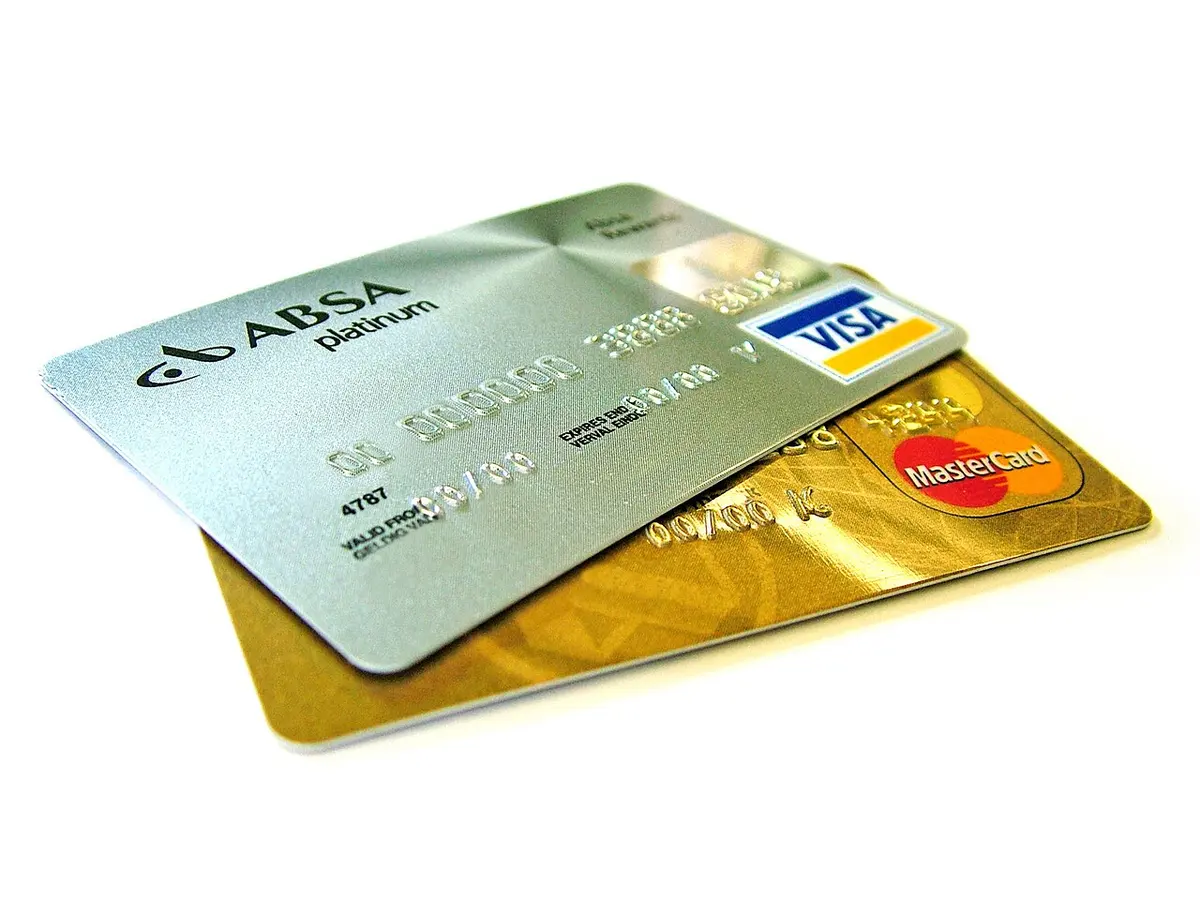
The British government have vowed to ban payment fees and other hidden and excessive credit card charges. They hope to do so by the end of 2012, following a consultation in the new year.
Hidden fees are often not shown until the end of an ordering process on the web which prevents consumers from making an informed choice and comparing the actual prices of different products and services according to the Office of Fair Trading. Plans are also underway to bring in Europe-wide regulation of credit card fees in 2014.
Mark Hoban, a Treasury Minister, said consumers "have a right to understand the charges they may incur up front and not be hit through a hidden last-minute payment surcharge." He said the plans announced today will increase "transparency" for consumers, and that consumers currently "feel ripped off".
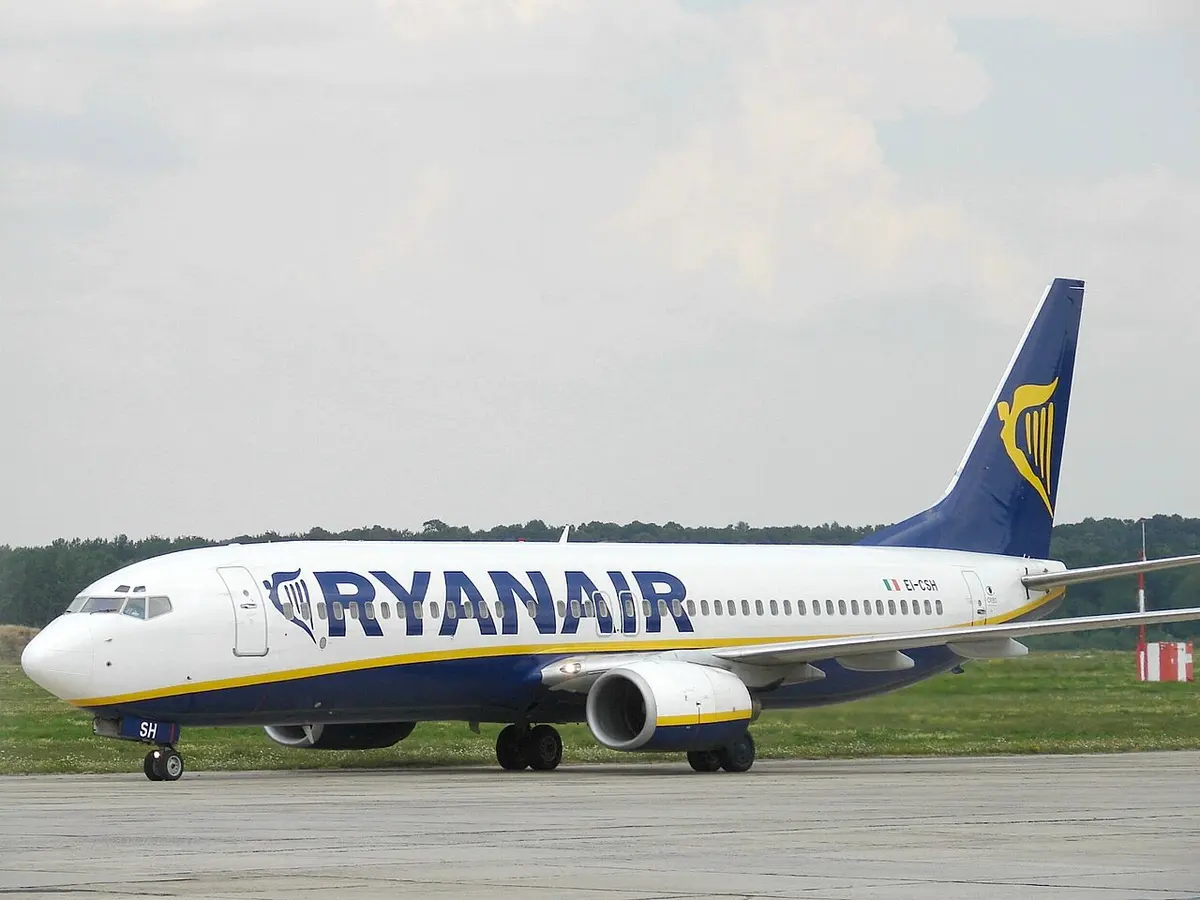
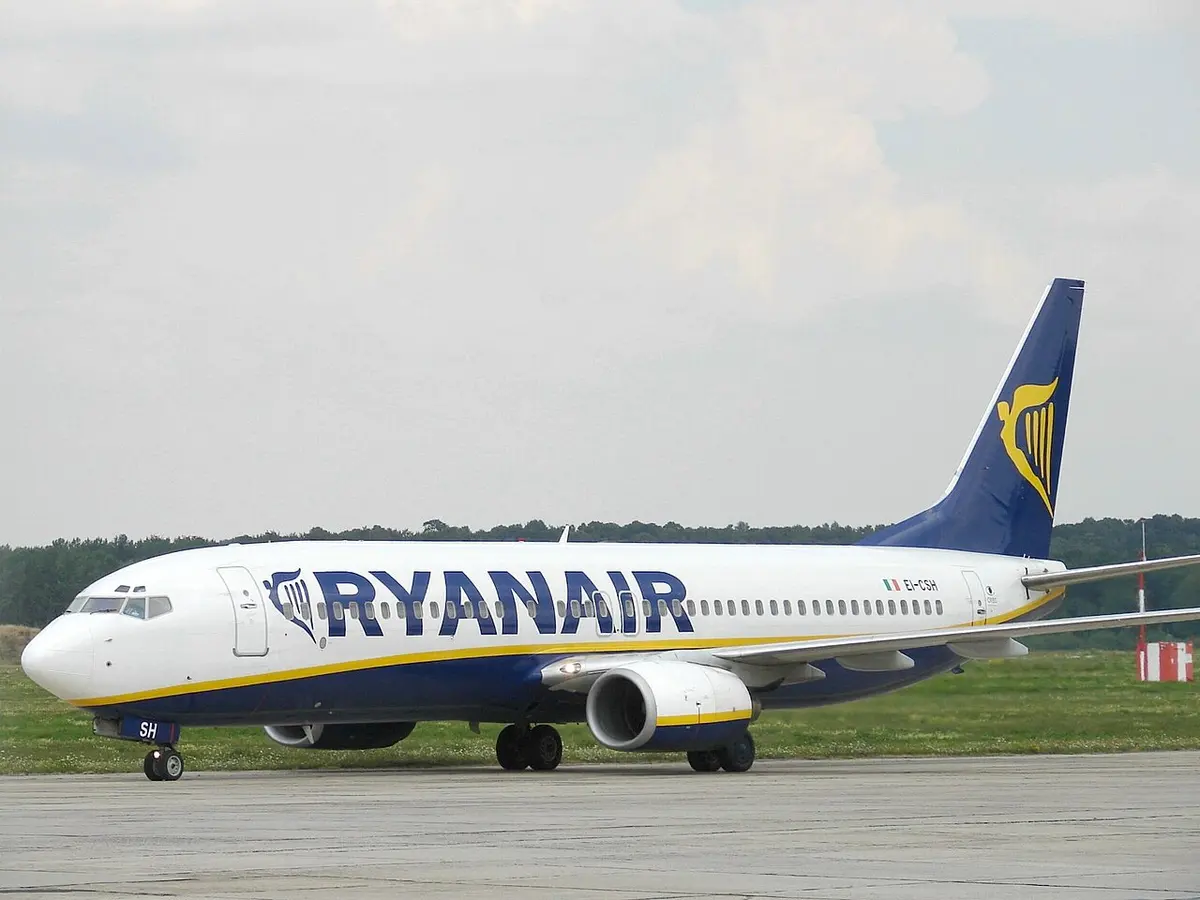
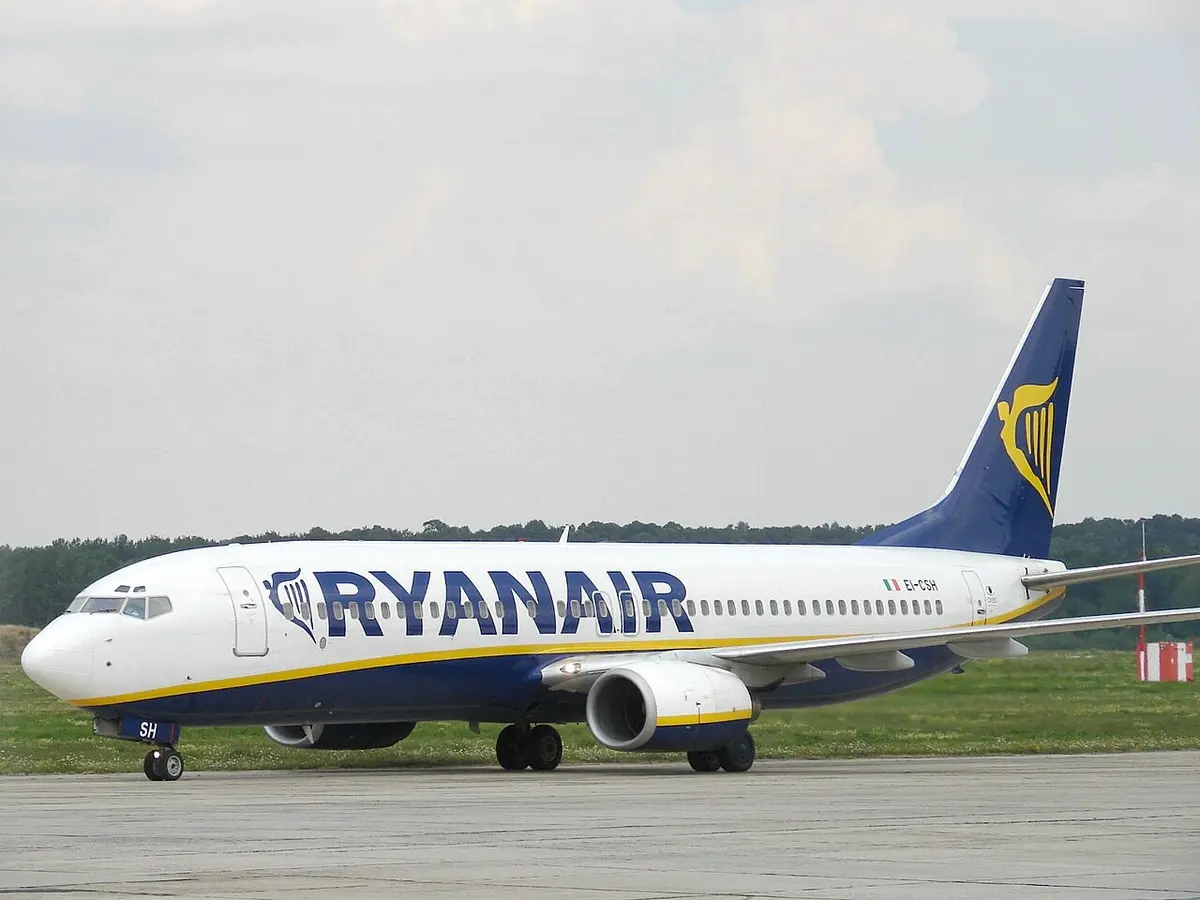
The Office of Fair Trading have listed some examples of particularly high charges: with EasyJet charging £8, Ryanair £6, and thetrainline.com £3.50 extra to pay for tickets with credit cards. The consumer group Which? claimed that these surcharges were increasing the cost of air travel by £265,000 a day (or about £97 million per year). The OFT stated that the figure was £300m a year. A Wikinews reporter contacted Which? about this disparity but they had not responded at the time of publication.
Sources
- Excessive card surcharges will be banned, says Treasury — BBC News Online, December 23, 2011
- Excessive card charges to be banned — ITN, December 23, 2011
Source & Attribution
Originally published by Wikinews on December 23, 2011. Original author: Wikinews.
CC BY 2.5. Photograph: The British government want to ban payment fees and other hidden charges.
Image: Lotus Head. Photo: Lotus Head from Johannesburg, Gauteng, South Africa sxc.hu Source file. CC BY-SA 2.5. CC BY-SA 2.5.
Disclaimer
This article retains its original publication date. Subsequent corrections and updates supplied by the source are retained when available. Thames Weekly is not affiliated with or endorsed by the original publisher unless expressly stated. Text and photographs remain credited to their respective creators.